
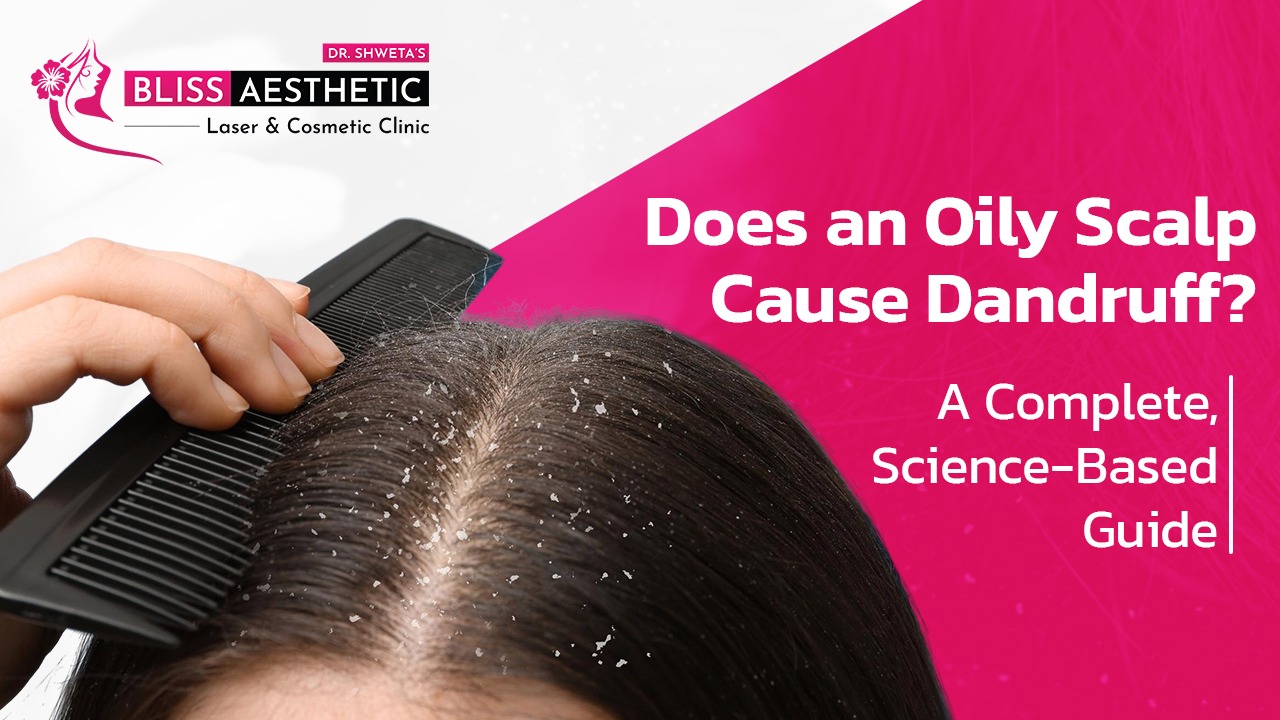
Does an Oily Scalp Cause Dandruff? A Complete, Science-Based Guide
Does an Oily Scalp Cause Dandruff?
Millions of people worldwide struggle with dandruff every day. Whether your scalp is oily, dry, or somewhere in-between, those unsightly scalp flakes can ruin confidence and cause irritation. But is oily scalp always to blame? In this comprehensive guide, you’ll learn the biology behind dandruff, understand why an oily scalp is a major culprit, and discover natural, proven ways to get rid of flakes for good.
What is Dandruff?
Dandruff is a common scalp condition marked by flaking, itching, and sometimes redness or irritation. While it isn’t dangerous, it affects appearance and comfort, making it a top concern for anyone with hair. Dandruff appears as white or yellow flakes and can become chronic if untreated. The root causes are many: from excessive oil, fungal growth, dry skin, or reactions to haircare products. Understanding how dandruff develops is key to treating it successfully.
Understanding Your Scalp: Oil Production & Sebum
The scalp’s natural oil, called sebum, is produced by sebaceous glands. Sebum helps protect your hair and keep skin supple. However, when sebum is overproduced—due to genetics, hormones, stress, or environment—it can lead to greasy hair and create the perfect setting for dandruff. Balance is vital: too much oil (oily scalp) leads to buildup and flakes; too little causes dryness and irritation.
Oily Scalp Causes: Why Does Your Scalp Become Greasy?
- Genetics: Some people naturally produce more sebum.
- Hormonal Changes: Puberty, pregnancy, or menopause can affect oil levels.
- Diet: Diets rich in fried foods, sugar, and dairy can trigger excess oil.
- Improper Haircare: Overwashing can stimulate oil glands; using the wrong shampoo can strip or overload the scalp.
- Environment: Humid weather, pollution, and sweat can increase oil production.
- Stress: Emotional stress alters hormone regulation and aggravates oily scalp.
If you notice your hair gets oily fast, and flakes appear alongside itchiness or irritation, your routine may need adjustment.
What Causes Dandruff?
Dandruff results from a combination of biological, environmental, and lifestyle factors. It’s not just about dirty hair or poor hygiene—dandruff is often caused by your skin’s natural microbiome, the amount of oil produced, and how your scalp reacts to outside influences.
- Excess Oil (Oily Scalp): When sebaceous glands produce too much oil, dead skin cells stick together, forming visible flakes. This environment fosters overgrowth of certain microbes.
- Dry Skin: Oppositely, very dry skin may shed more cells—but these are usually smaller flakes and less oily.
- Haircare Products: Shampoos or styling products—especially those high in alcohol, sulfates, or fragrances—can irritate the scalp and trigger flaking.
- Sensitivity and Allergies: Some people react to ingredients in hair dyes, gels, or conditioners.
- Microbial Factors: The primary fungus involved is Malassezia, which exists on everyone’s scalp but causes trouble when oil is excessive.
Malassezia Fungus and Dandruff: The Scientific Connection
Malassezia is a type of yeast that forms part of the natural flora of human skin, including the scalp. In normal conditions, it’s harmless, but when scalp oil rises, Malassezia proliferates. It feeds on sebum, breaking it down into by-products (like oleic acid) that can inflame skin and disrupt normal cell turnover. This irritation leads to the classic symptoms: itchiness, inflammation, and the formation of oily or dry flakes. Malassezia-related dandruff tends to produce larger, more visible, and oilier flakes after greasy periods. If untreated, this process can repeat, become chronic, and may cause temporary hair loss or visible sores.
Latest studies confirm that controlling Malassezia fungus and balancing scalp oil are fundamental for long-term dandruff relief.
Best Treatment for Scalp Flakes: Proven Medical & Natural Solutions
Successful dandruff management requires attacking the root cause—not just masking flakes. Below are the most effective strategies for treating scalp flakes, both with over-the-counter products and home remedies.
Medical/Pharmaceutical Solutions
- Medicated Shampoos: The best options target both fungus and oil, including those with ketoconazole, selenium sulfide, zinc pyrithione, or salicylic acid. Use 2–3 times per week for best results.
- Tar-based Shampoos: These slow down skin cell turnover, reducing flake production.
- Topical Corticosteroids: For severe dandruff (with inflammation), a doctor may prescribe mild steroids to calm the scalp.
- Gentle Cleansing: Avoid harsh shampoos; use sulfate-free, moisturizing cleansers for daily use.
Natural Remedies
- Fenugreek Water for Hair Health: As a powerful natural remedy, fenugreek’s proteins and saponins both soothe and detox the scalp. Simply soak seeds overnight, grind into a paste, and apply to scalp for 20–30 mins. Rinse thoroughly.
- Neem Rinse: Boil neem leaves in water, let cool, and use as a post-shampoo rinse to reduce fungal growth.
- Aloe Vera: Use pure aloe gel on irritated, flaky areas—its anti-inflammatory compounds promote healing.
- Yogurt and Lemon: Balances the scalp’s pH and helps lift off dead skin cells. Mix and apply for 15–20 mins before washing.
Lifestyle Focus
- Manage stress through exercise or mindfulness.
- Eat a balanced diet—prefer leaf greens, seeds, nuts, and hydrate well.
- Avoid heavy or greasy hair products; check ingredient labels for irritants.
How to Treat Oily Scalp: A Practical Routine
Addressing oily scalp is essential for preventing dandruff and scalp flakes. Here’s a science-backed, easy-to-follow process:
- Wash Regularly: 2–3 times per week with gentle, sulfate-free shampoo. Avoid harsh cleansers that strip all oil (can trigger rebound oiliness).
- Rinse Thoroughly: Ensure no residue remains after shampoo or conditioner—product buildup can make scalp oilier.
- Limit Oil-Based Styling Products: Use little or none on the scalp itself.
- Experiment With Natural Rinses: Try herbal water rinses, such as mint, neem, or fenugreek, once a week for oil control.
- Control Diet: Reduce sugar, junk food, and excessive dairy. Increase foods rich in omega-3s and vitamins A, C, and E.
- Balance Hormones & Stress: Regular exercise, meditation, and sleep routines help keep hormones (and oil production) in check.
Haircare Tips for Oily Scalp
- Choose the Right Shampoo: Look for products labeled “clarifying,” “gentle,” or “sulfate-free.” These combat scalp flakes without over-drying.
- Condition Only the Ends: If your scalp is oily, focus conditioner on the lengths and tips—never directly on the scalp.
- Don’t Overwash: Washing daily can stimulate more oil. Instead, wash every other day or as needed.
- Dry Shampoo for Emergencies: Use a high-quality dry shampoo to absorb excess oil between washes.
- Rinse with Lukewarm Water: Hot water can strip protective oils and trigger rebound greasy feeling.
- Limit Heat Styling: Excessive blow-drying, straightening, or curling can stress the scalp and increase oil production.
- Scalp Massages: Gently massage for a few minutes before shampooing to help loosen flakes and encourage circulation.
Follow these tips consistently. Adapting your haircare routine to your scalp type not only minimizes flakes but encourages healthy growth and shine.
Fenugreek Water for Hair Health: Science & Application
- Rich in Saponins and Flavonoids: These fight inflammation and fungal growth (including Malassezia fungus linked to dandruff).
- Natural Moisturizer: It hydrates and soothes the scalp, protecting against dryness and irritation.
- Strengthens Hair Follicles: Fenugreek supports overall hair strength and minimizes breakage.
How to Use Fenugreek Water
- Soak 2–3 tablespoons of fenugreek seeds in water overnight.
- Grind soaked seeds into a smooth paste.
- Apply paste to scalp and hair roots; leave for 30 minutes.
- Rinse thoroughly with cool water, then shampoo as normal.
For best results, use once weekly. Fenugreek’s gentle action reduces flaking and keeps your scalp balanced.
Home Remedies for Dandruff: What Works & What to Avoid
- Neem Water: Boil fresh neem leaves, let cool, and use as a rinse. Neem’s antifungal properties help reduce scalp fungus and flakes.
- Aloe Vera Gel: Apply directly to itchy or flaky spots to soothe, hydrate, and heal.
- Baking Soda: Use rarely—mildly abrasive, but can disrupt pH if overused.
- Apple Cider Vinegar (Diluted): Restores scalp’s acidity, discouraging fungal growth. Always dilute to avoid burns.
- Yogurt & Lemon Mixture: Mix plain yogurt with a tablespoon of fresh lemon juice. Neutralizes oil and loosens dead skin for gentle exfoliation.
Remedies to Avoid: Overuse of oils, frequent vinegar treatments, and aggressively scrubbing the scalp can worsen inflammation or oily buildup.
Expert Opinions & Scientific Studies
- Dandruff severity correlates closely with excess scalp oil and Malassezia density.
- Medicated shampoos with specific antifungal agents outperform traditional products.
- Natural treatments (fenugreek, neem, aloe) are effective when combined with proper hygiene and diet adjustment.
Experts also warn against excessive chemical treatments, stressing the value of balance and education in haircare.
Common Mistakes in Dandruff and Oily Scalp Treatment
- Overwashing: Shampooing daily with harsh soaps can strip protective oils and actually prompt more sebum production, making scalp flakes worse.
- Ignoring Ingredients: Using products high in sulfates, parabens, or artificial fragrances may irritate the scalp and fuel dandruff.
- Misdiagnosis: Not all flakes are dandruff. Dry scalp, psoriasis, or eczema may look similar and require different care.
- Excessive Oil Application: Over-oiling the scalp clogs pores and encourages fungal growth.
- Not Treating Underlying Causes: Skipping steps like stress management, dietary balance, and keeping scalp hygiene can perpetuate the cycle.
Frequently Asked Questions (FAQs) About Dandruff and Oily Scalp
- What is the best dandruff natural remedy?
Fenugreek water, neem rinses, and aloe vera gel are top natural solutions. Use regularly for best results. - What are the most common oily scalp causes?
Genetics, hormones, diet, poor hygiene, unsuitable shampoo, and high humidity most often cause excess oil. - What is the best treatment for scalp flakes?
Medicated shampoos (ketoconazole, zinc pyrithione), gentle cleansing, and natural remedies like fenugreek and neem. - How does Malassezia fungus cause dandruff?
This scalp yeast feeds on excess sebum, releasing irritants that disrupt skin cell turnover and cause visible flakes. - How to treat oily scalp for long-term relief?
Regular gentle washing, minimizing harsh products, managing stress, and maintaining a balanced diet are crucial steps. - What are essential haircare tips for oily scalp?
Wash every other day with gentle shampoo, avoid conditioning scalp directly, use lukewarm water, and never overuse dry shampoo. - How do I use fenugreek water for hair health?
Soaked fenugreek seed paste applied on scalp once weekly helps fight dandruff and strengthens roots. - Are there any easy home remedies for dandruff?
Yes—fenugreek, neem, aloe vera, diluted apple cider vinegar, and yogurt-lemon mask are effective and safe when used correctly.
Viral Social Media Captions & Headlines for Maximum Reach
- Headline: “Oily Scalp & Dandruff: The Real Secrets to Flake-Free Hair (With Natural Remedies)”
- Caption: “Is oily scalp your biggest enemy? Learn the newest science, home remedies, and expert tips to fight dandruff for good!”
- Sharable Caption: “Troubled by dandruff? Discover how to treat oily scalp and keep flakes away—share this guide and help your friends!”
- #DandruffNaturalRemedy #MalasseziaFacts #HealthyHairTips #HomeRemediesForDandruff #BestTreatmentForScalpFlakes #FenugreekWaterForHair #OilyScalpCauses
A healthy scalp is the foundation of great hair and confidence. Dandruff is most commonly linked with an oily scalp and the overgrowth of Malassezia fungus. Effective treatments combine gentle cleansing, powerful medicated shampoos, and safe natural remedies such as fenugreek water, neem rinses, and aloe vera. Avoid common mistakes like overwashing, harsh products, and neglecting diet or stress management. Share these expert tips and home remedies—empower others to achieve flake-free, vibrant hair and boost your social media reach instantly!
“Does an Oily Scalp Cause Dandruff? A Complete, Science-Based Guide”
Dr. Shweta Ahuja