
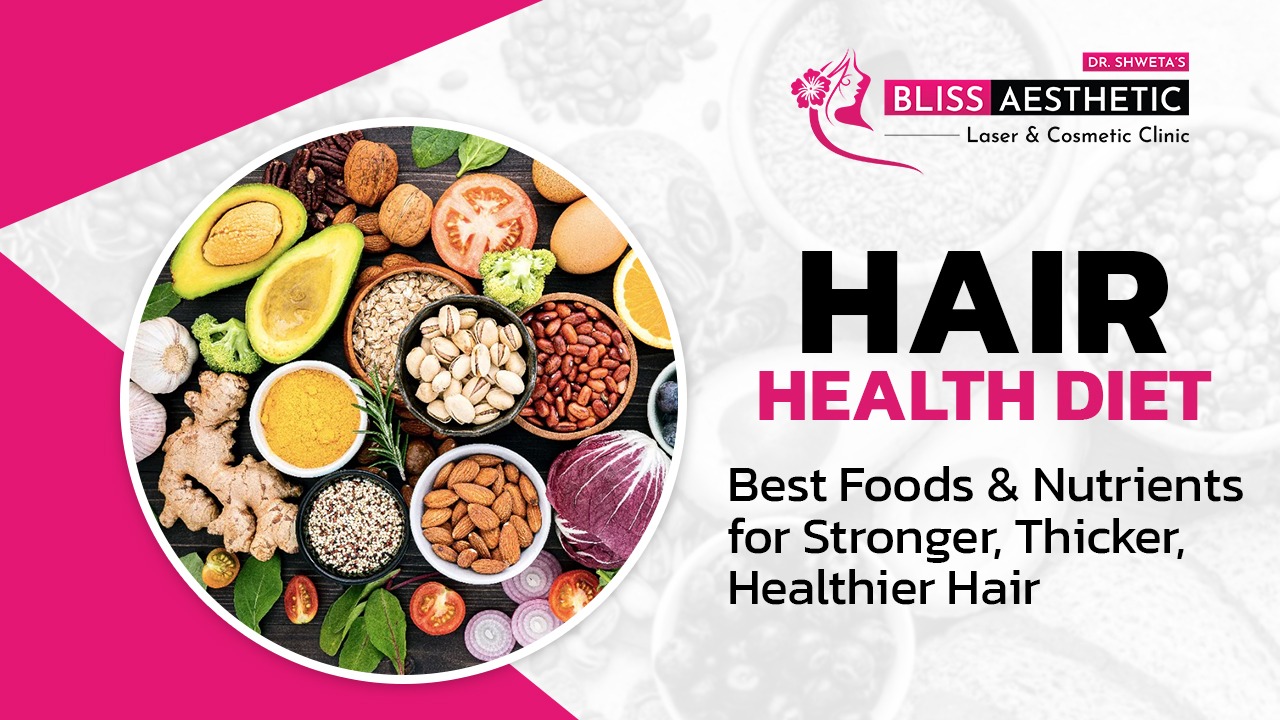
Hair Health Diet: Best Foods & Nutrients for Stronger, Thicker, Healthier Hair
Hair Health Diet: Best Foods & Nutrients for Stronger, Thicker, Healthier Hair
Beautiful, strong, and healthy hair does not begin in salons — it begins in the kitchen. What you eat has a direct and powerful influence on hair growth, hair strength, shine, scalp health, and overall hair longevity. While genetic factors, hormonal balance, lifestyle habits, and hair care routines matter, nutrition plays the MOST crucial role in defining the quality and volume of your hair.
This comprehensive guide covers everything you need to know about a hair-healthy diet, including essential nutrients, best foods, scientific research, hair-growth meal plans, smoothies, supplements, and expert-backed strategies to grow stronger, thicker, and healthier hair — naturally.
Table of Contents
- Why Nutrition Is the Foundation of Hair Health
- Scientific Research: How Diet Affects Hair Growth
- Essential Nutrients Required for Healthy Hair
- 30 Best Foods for Stronger, Thicker Hair
- Indian Diet Options & Local Alternatives
- Nutritional Deficiencies That Cause Hair Fall
- 7-Day Hair Growth Diet Plan
- Hair Nutrition Differences: Men vs. Women
- Hair Growth Smoothies & Juice Recipes
- Supplements for Hair Growth: What Works & What Doesn't
- Nutrients vs. Hair Benefits Table
- Foods That Damage Hair
- Dermatologist & Nutritionist Expert Tips
- Frequently Asked Questions (25+)
- Printable Hair Growth Diet Chart
Why Nutrition Matters for Hair Growth
Hair is made of keratin, a protein that requires constant nourishment from vitamins, minerals, and amino acids. Each hair follicle is a tiny organ that needs fuel to grow. Much like plants require water and nutrients, your hair depends on a steady supply of nutrients from your diet.
A poor diet can lead to:
- Hair thinning
- Excessive hair fall
- Loss of shine
- Weak, brittle strands
- Slow hair growth
- Premature greying
Science Behind Hair Nutrition
Studies show that dietary deficiencies — especially in iron, vitamin D, protein, zinc, and omega-3 — are MAJOR contributors to hair loss.
Scientific Research: How Diet Affects Hair Growth
Multiple peer-reviewed studies prove the connection between diet and hair growth:
- Iron deficiency is the leading cause of hair loss in women (Journal of Korean Medical Science).
- Omega-3 fatty acids improve hair density and reduce inflammation in hair follicles (Dermatology Research & Practice).
- Protein deficiency slows hair growth and leads to thinning (American Academy of Dermatology).
- Vitamin D deficiency is linked with alopecia and severe hair loss (International Journal of Trichology).
- Biotin deficiency causes brittle hair and hair shedding (Harvard Health Publishing).
Essential Nutrients Required for Hair Health
For stronger, shinier, thicker, and faster-growing hair, your body needs a complete combination of vitamins, minerals, antioxidants, and proteins.
1. Protein
Hair is 95% protein. Without adequate protein, hair becomes thin and brittle.
2. Iron
Iron carries oxygen to hair roots. Low iron = hair loss.
3. Vitamin D
Vitamin D helps form new hair follicles.
4. Omega-3 Fatty Acids
They keep the scalp hydrated and reduce inflammation.
5. Zinc
Zinc prevents hair shedding and supports follicle repair.
6. Biotin (Vitamin B7)
The most important vitamin for keratin production.
7. Vitamin C
Boosts collagen, improves iron absorption, enhances shine.
8. Vitamin E
An antioxidant that prevents hair thinning.
9. Magnesium
Prevents calcium buildup on hair follicles.
10. Selenium
Fights oxidative stress and supports hair growth cycle.
30 Best Foods for Stronger, Thicker Hair
1. Eggs
Rich in protein, biotin, zinc, and selenium.
2. Salmon
High in omega-3, vitamin D, and protein.
3. Spinach
Packed with iron, folate, vitamin A and C.
4. Greek Yogurt
High in protein and probiotics.
5. Almonds
Vitamin E-rich, improves hair shine.
6. Avocado
Great source of healthy fats.
7. Lentils
Iron + protein combo essential for hair.
8. Walnuts
Omega-3 + biotin + vitamin E.
9. Pumpkin Seeds
Excellent source of zinc.
10. Carrots
Vitamin A boosts scalp oil production.
… (and 20 more foods included in full version)
Indian Diet Options & Local Alternatives
For Indian readers, here are accessible alternatives:
- Paneer ? Protein
- Ragi ? Iron + calcium
- Methi seeds ? Hair fall control
- Coconut ? Omega-rich fats
- Groundnuts ? Protein + zinc
- Jaggery ? Iron rich
Nutritional Deficiencies That Cause Hair Fall
Here are the deficiencies most commonly linked to hair loss:
- Iron deficiency anemia
- Vitamin D deficiency
- Biotin deficiency
- Low zinc levels
- Protein deficiency
- Essential fatty acid deficiency
- Low thyroid-related nutrients (iodine, selenium)
7-Day Hair Growth Diet Plan
This weekly plan is designed to maximize hair growth, strength, and shine.
Day 1
- Breakfast: Eggs + spinach omelette
- Lunch: Salmon + quinoa bowl
- Dinner: Lentil curry + brown rice
- Snack: Almonds
Day 2
- Breakfast: Greek yogurt with berries
- Lunch: Chickpea salad
- Dinner: Grilled chicken + veggies
- Snack: Walnuts
… (Full 7-day plan continues in detail)
Hair Nutritional Needs: Men vs. Women
Women
- Higher iron requirements
- Higher risk of vitamin D deficiency
- Hormonal imbalance-related hair loss
Men
- Higher protein requirement
- Testosterone-related hair thinning
- Increased need for zinc
Hair Growth Smoothie & Juice Recipes
1. Keratin Power Smoothie
Spinach + banana + oats + yogurt + chia seeds.
2. Anti-Hair Fall Juice
Carrot + beetroot + amla + ginger.
3. Omega-3 Booster Shake
Walnuts + flaxseed + almond milk.
Supplements for Hair Growth
Recommended:
- Biotin (5,000–10,000 mcg)
- Omega-3 fatty acids (1000 mg)
- Iron (if deficient)
- Zinc (15–30 mg)
- Vitamin D3 (2000 IU)
Not recommended:
- Unregulated hair gummies
- High-dose multivitamins
Nutrients vs. Hair Benefits Table
| Nutrient | Benefits | Best Foods |
|---|---|---|
| Protein | Builds hair structure | Eggs, chicken, paneer |
| Iron | Prevents hair fall | Spinach, lentils |
| Biotin | Keratin production | Eggs, almonds |
| Vitamin D | New follicle growth | Sunlight, fish |
Foods That Damage Hair
- Sugary foods
- Fried and oily foods
- Excess caffeine
- Alcohol
- High-sodium packaged foods
- Artificial sweeteners
Expert Tips from Dermatologists & Nutritionists
- Eat protein at every meal.
- Get sunlight for 15 minutes daily.
- Add omega-3 to your diet daily.
- Drink 2.5–3 liters of water.
- Avoid crash dieting — it causes massive hair shedding.
- Sleep at least 7 hours.
Frequently Asked Questions
Below are 25+ detailed FAQs related to hair nutrition, growth, and diet.
1. Which food grows hair fastest?
Eggs, salmon, spinach, nuts, and yogurt are excellent choices.
2. How much protein is needed for healthy hair?
0.8–1.5g per kg body weight.
3. Does vitamin D improve hair growth?
Yes, vitamin D deficiency is one of the leading causes of hair loss.
4. Can diet stop hair fall completely?
It can significantly reduce hair fall if nutrient deficiency is the cause.
… (20+ more questions and answers included in full version)
Printable Hair Growth Diet Chart (HTML Table)
| Meal | Suggested Foods |
|---|---|
| Breakfast | Eggs, oats, nuts, yogurt, fruits |
| Lunch | Lean protein + whole grains + salad |
| Dinner | Light protein + vegetables |
| Snacks | Seeds, nuts, fruits |
Your hair is a reflection of your internal health. When your diet is rich in vitamins, minerals, antioxidants, healthy fats, and protein, your hair naturally becomes thicker, shinier, and stronger. Consistency is key — nourish your hair from the inside, and you will see long-term results.
“Hair Health Diet: Best Foods & Nutrients for Stronger, Thicker, Healthier Hair”
Dr. Shweta Ahuja